



Challenges and problems in sheltering confiscated wildlife in Mexico
What is the fate of pets seized from organized crime?
Reading time: 1 minute, Discovery Chepe Id-848-ECO
Published on 04-16-2026

Animals rescued during security operations face an uncertain future due to a lack of resources and space in specialized shelters in Mexico. Photo: Janosch Diggelmann
In recent years, law enforcement operations against organized crime in Mexico have uncovered a lesser-known issue: the presence of exotic and domestic animals kept as status symbols, companions, or even intimidation tools. These so-called 'narco pets' face an uncertain future once authorities intervene.
Animals as symbols of power
Within criminal networks, owning exotic animals such as tigers, lions, jaguars, monkeys, and rare birds has become a display of wealth and control. Many of these species are illegally obtained and kept in inadequate conditions.
The role of the Mexican government
When properties are seized, animals fall under government custody. Agencies like PROFEPA take action to rescue and assess them. More information is available at gob.mx/profepa.
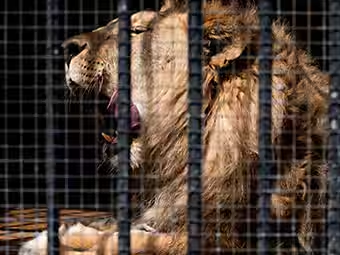
From crime cages to a new life: the reality of seized pets
Photo: Kirill Fokin
What happens to these animals?
Their fate varies depending on species and condition:
1- Relocation to zoos or specialized sanctuaries.
2- Transfer to Wildlife Management Units (UMA).
3- In severe cases, euthanasia may be considered.
Living conditions and abuse
Many animals suffer from stress, confinement, and poor nutrition, leading to serious health issues. Organizations like WWF Mexico highlight the environmental damage caused by illegal wildlife trafficking.
Legal and ethical challenges
Handling these animals presents key challenges:
a) Limited infrastructure.
b) Budget constraints.
c) Legal complexities regarding responsibility.
Social and environmental impact
This issue reflects a broader environmental crisis, affecting biodiversity and normalizing illegal wildlife ownership.
An uncertain future
The fate of these animals depends on institutional capacity and collaboration with NGOs. Many remain affected by captivity, highlighting the need for stronger laws and awareness.


See Also







Discovery Chepe
Most read...